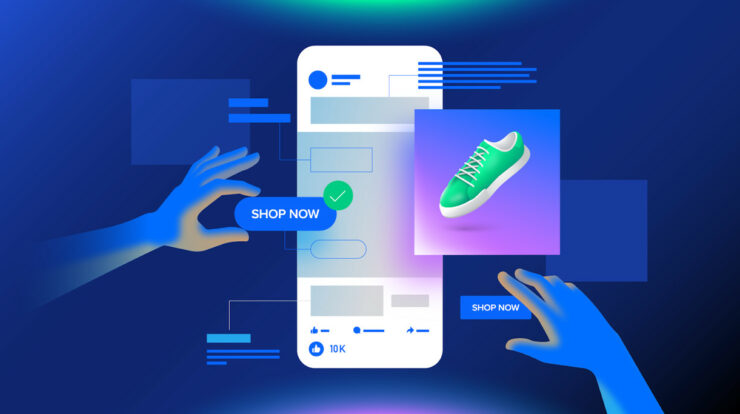
A decade ago, Facebook Ads were all about metrics — reach, clicks, and cost per impression. Fast-forward to 2025, and those numbers now serve a new master: emotion.
What once felt like a digital billboard has evolved into an AI-powered psychologist — one that observes, interprets, and responds to human emotion with unsettling precision. It doesn’t just target users anymore; it connects with them.
And that’s exactly why marketers can’t get enough of it.
We spoke to analysts from Good-Roasts.com, MissTechy.com, and HelpDeskMe.com to uncover how Facebook Ads became not just smarter — but more human.
1. From Attention to Affection
Facebook’s algorithm no longer chases clicks — it cultivates connection.
“You’re not selling to demographics anymore,” says Lydia Chen of MissTechy.com. “You’re selling to moods.”
The AI reads micro-signals — scroll speed, comment time, emoji reactions — and adjusts on the fly. Happy users see travel or lifestyle ads; tired ones see soft tones and self-care.
Facebook’s 2025 mantra: “Relevance feels like empathy.”
2. Meta’s New Ad Engine Thinks Ahead
The magic lies in Meta Advantage+, a predictive AI that forecasts behavior instead of tracking it.
“It’s predictive marketing in its purest form,” explains Daniel Mora from Good-Roasts.com. “It doesn’t follow users — it predicts them.”
By replacing user profiles with probability curves, Facebook no longer needs to know who you are — just what you’ll likely do next.
Advertisers call it genius. Privacy advocates call it… complicated.
3. Creative Intelligence Takes Over Strategy
In 2025, winning ad campaigns aren’t written — they’re trained.
“Creative quality is now data science,” says Amir Javed from HelpDeskMe.com. “You don’t make one perfect ad. You make fifty and let the AI find the emotional winners.”
Meta’s Creative Studio now automatically:
-
Generates copy in multiple emotional tones
-
Re-edits videos per placement
-
Matches pacing and sound to audience behavior
It’s not “set it and forget it.” It’s “train it and trust it.”
4. Targeting Is Dead — Long Live Targeting
After Apple’s privacy updates nearly broke Facebook Ads in 2021, Meta rebuilt everything.
Targeting now runs on behavioral resemblance, not personal data.
“Facebook’s AI builds lookalikes of emotions, not just people,” says Chen.
Instead of “Find 25-year-olds in Delhi,” advertisers ask, “Find users showing curiosity about travel.”
The algorithm then hunts for emotional twins — users who feel the same, not just look the same.
5. Real Beats Perfect
In 2025, polished ads flop. Authenticity wins.
“People stopped trusting perfect,” says Javed. “They trust what feels real.”
Brands now use hybrid creative teams — half professionals, half customers — to produce user-generated content (UGC).
Raw clips, laughter, unscripted reviews — these aren’t filler anymore; they’re the core of modern storytelling.
6. Chat Is the New Checkout
Click-to-Message ads on Facebook and WhatsApp have replaced websites for small businesses.
“The ad doesn’t just tell you to buy — it starts a conversation,” says Mora.
AI chatbots guide users through discovery, questions, and payment — all inside Messenger.
One chat. One funnel. Zero friction.
7. Reels Rule, But Emotion Drives Them
Reels remain king — but the best ones tell micro-stories.
“The goal isn’t virality,” says Chen. “It’s emotional familiarity.”
Facebook’s AI now tests ad versions based on emotional tone — joyful, calm, nostalgic — then scales the winner.
The key metric isn’t views per video; it’s retention per second.
8. Small Budgets, Smarter Learning
Gone are the days of big spending dominance.
“You don’t outspend competitors — you outlearn them,” says Javed.
Consistent smaller budgets give AI more time to learn, leading to better ROI.
Even small advertisers running ₹1,500/day see results once the data is clean.
9. Privacy Becomes the New Cool
In 2025, transparency is marketing.
“Privacy is now part of brand identity,” says Mora. “People reward honesty.”
Facebook’s Ad Transparency Center lets users see why they were targeted and by whom — boosting engagement and trust for brands that embrace it.
10. From Clicks to Feelings: Emotional Analytics
Ad dashboards now measure emotion, not just action.
Meta’s tools track reactions like curiosity, joy, nostalgia, and trust — showing how each creative resonates emotionally.
Campaigns with strong emotional performance even cost less to run.
The new KPI? Cost per Connection.
11. The Rise of Ethical Advertising
Meta now rewards verified “ethical ad practices” — truth, sustainability, and responsible data use.
“Doing good literally saves you money,” says Javed. “Facebook discounts ads for transparent brands.”
Authenticity, it turns out, isn’t just moral. It’s profitable.
12. The New Marketer: Analyst + Artist
Today’s Facebook marketer is a hybrid — part data scientist, part storyteller.
“You need to understand psychology and prompt engineering,” says Mora.
The top performers blend behavioral insights, automation skills, and emotional intelligence — working with AI, not against it.
13. One Meta, One Brain
Facebook, Instagram, Messenger, and Threads now operate under one AI ecosystem.
“The algorithm decides the best surface,” says Chen. “An ad might start as an Instagram Reel and end as a Facebook Story.”
This unified campaign system nearly doubles reach — without raising spend.
14. The True ROI: Trust
After all the tech and AI wizardry, one thing still matters most: trust.
“The best ads feel like recommendations,” says Mora. “Not interruptions.”
Facebook Ads now behave like relationships — they listen, respond, and earn attention instead of stealing it.
15. The Future: Ads That Don’t Feel Like Ads
In 2025, content is advertising — and advertising is content.
“If you can’t tell it’s an ad, that’s the point,” says Chen. “Facebook finally learned to respect attention.”
Marketing has evolved from shouting to understanding — from targeting users to feeling with them.
Conclusion: When Marketing Feels Like Empathy
Facebook Ads didn’t die — they evolved.
From data-driven impressions to emotion-driven conversations, the platform has redefined what connection means online.
As Lydia Chen of MissTechy.com put it:
“The future of advertising isn’t automation. It’s understanding.
Facebook just happens to automate that understanding perfectly.”