


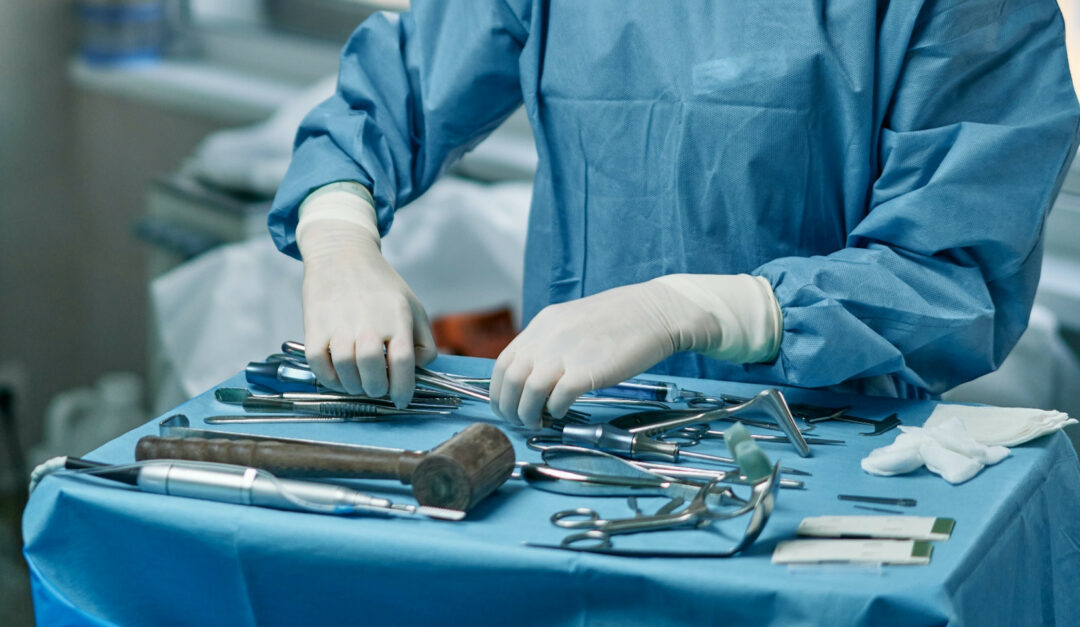
Keep medical instruments clean and safe in health care areas. Dirty tools can harm infections, patient safety, and the image of the office. Keeping tools sterile is more important than ever as medical processes become trickier and germs become antibiotic-resistant. To keep your medical instruments secure, sterile, and ready for use, follow these ten important guidelines.
1. Clean Instruments Right After Use
Cleaning instruments right after use is the first step in preventing infection. Blood or tissue can harden, making it more difficult to clean later. Putting instruments in an enzyme solution or running water to rinse them helps break down dirt and gets them ready for a deep clean.
2. Use Ultrasonic Cleaners for Deep Cleaning
Ultrasonic cleaners use high-frequency sound waves to eliminate tiny particles from instruments. These tools clean well in places that are difficult to get to, like hinges and edges with sharp edges. You can be sure of a better clean before sterilization if you use ultrasonic cleaning as part of your regular practice.
3. Choose the Right Sterilization Method
Different instruments can’t handle the same methods of sterilization. Most tools can be sterilized using steam, but heat-sensitive instruments may require chemical or gas-based methods. For instance, a research autoclave offers enhanced sterilization procedures that adapt to various materials. This technique keeps your instruments safe and makes them last longer.
4. Pack Instruments Before Sterilization
After sterilization, it is necessary to properly pack the instruments to maintain their sterility. Use wraps or bags for sterilization that let steam or gas in but keep germs out. To keep track of gifts, make sure to seal them and write the date and what’s inside on the outside.
5. Keep an Eye on Sterilization Cycles
To ensure that sterilization equipment is working properly, it must be checked frequently. Physical indicators, like color-changing strips, and living indicators, like spore tests, help make sure that the conditions for sterilization are met. Keeping track of these data helps people follow health rules.
6. Keep Sterile Instruments in a Clean Space
Keeping instruments in a clean, dry, and dust-free space after sterilization is important. Do not put them near sinks, vents, or busy areas where they could get dirty. Store instruments in closed boxes or drawers until needed.
7. Teach Staff How to Handle Items
If people don’t do things right, even the best sterilization methods can fail. Ensure that all of your staff members are capable of using clean tools without making them dirty. This means you should wear gloves, not touch them, and move them around with clean trays or tongs.
8. Set Up a Regular Maintenance Plan
You must take care of the autoclaves and ultrasonic cleaners you use for sterilization to ensure their continued functionality. Care for them the way the maker tells you to, and check them often. Clean equipment makes it less possible that the sterilization will go wrong.
9. Use Disposable Tools When It Makes Sense
Sometimes it’s safer and cheaper to use tools that are only used once. These clean, ready-to-use instruments can’t spread germs between patients. See what your office needs to figure out where one-time-use tools might be more useful.
10. Do Regular Checks and Quality Tests
This helps you find weak spots in the way you clean tools and makes sure you’re following the rules of the business. Monitor the staff’s performance and review the cleaning records. When necessary, make improvements to your methods and teaching based on what you learn.
Conclusion
It takes care, the right tools, and ongoing training for staff to keep medical tools clean and germ-free. Clinics can significantly reduce the chance of illness and keep patient care of the highest caliber by adhering to these ten important steps—from cleaning right away to routine checks. It’s not only smart to spend money on good cleaning methods in the healthcare world of today, where trust and safety are very important; it’s a must.